What does it mean to feel real in a world increasingly shaped by technology? How does artificial intelligence influence our choices, identities, and relationships? And how much control do we really have over the digital systems that surround us?

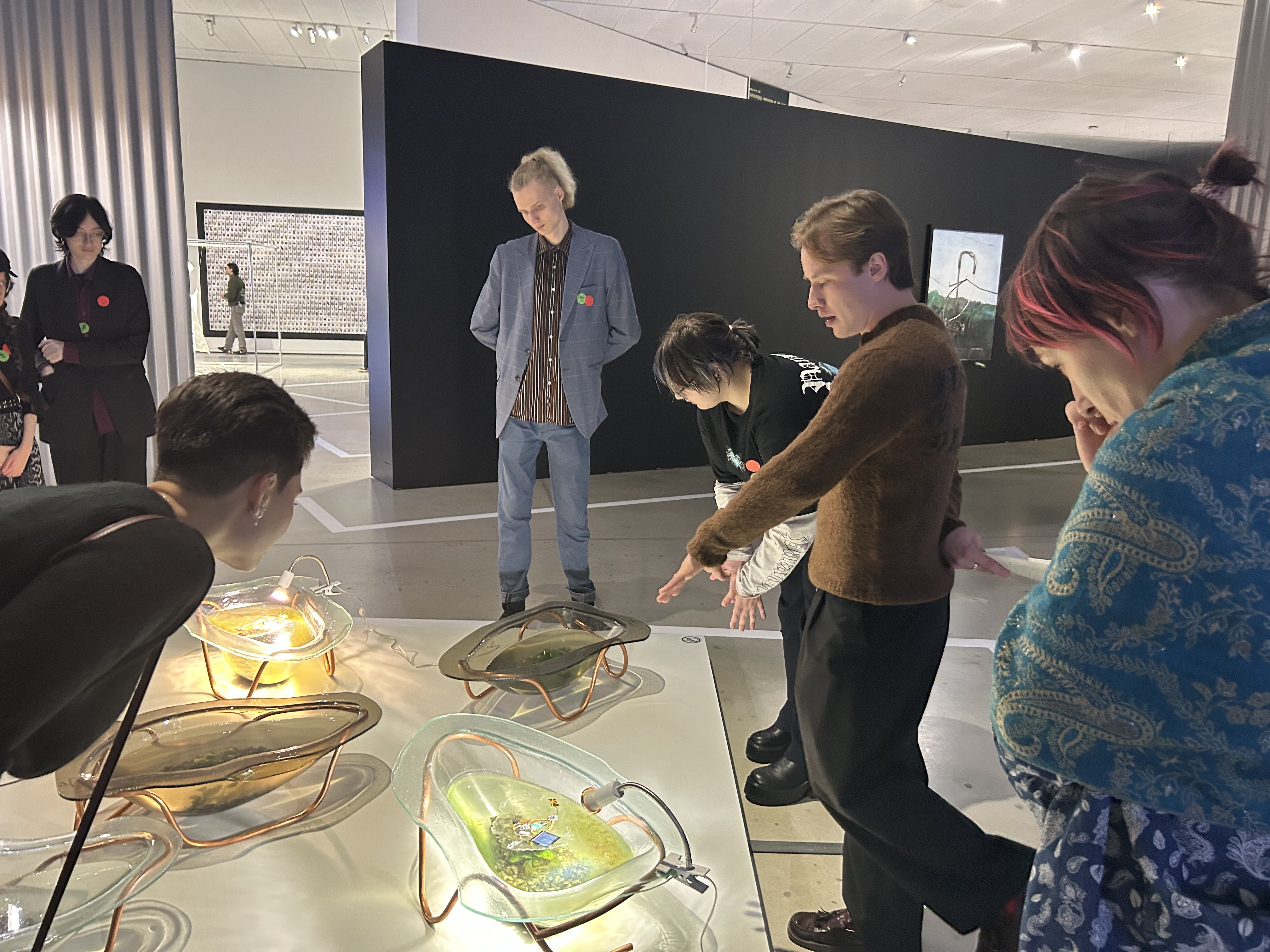
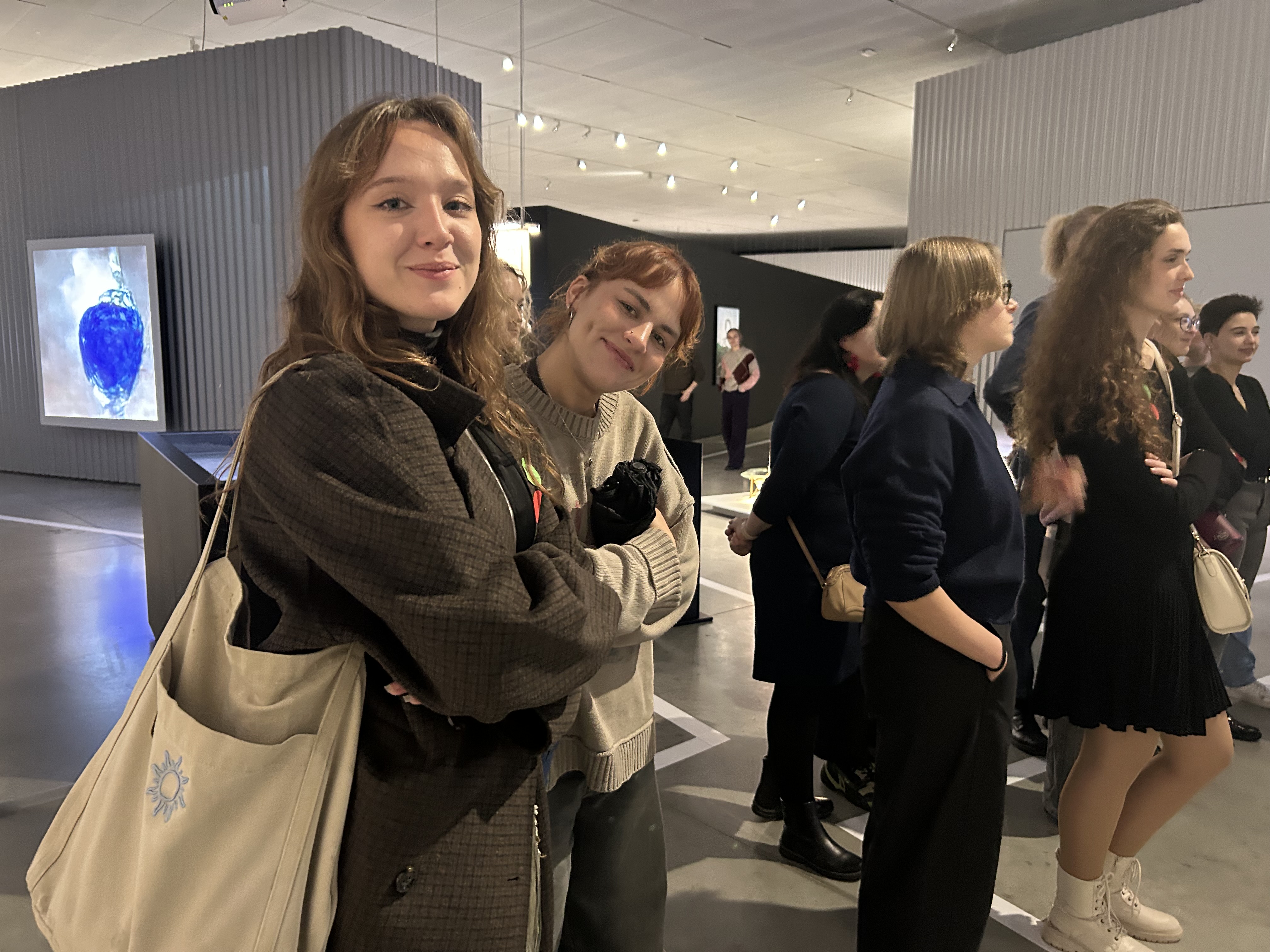
 For our latest 𝐎𝐟𝐟-𝐂𝐚𝐦𝐩𝐮𝐬 𝐌𝐞𝐧𝐭𝐨𝐫𝐬𝐡𝐢𝐩 𝐍𝐢𝐠𝐡𝐭, students from 𝐄𝐧𝐠𝐥𝐢𝐬𝐡 𝐏𝐡𝐢𝐥𝐨𝐥𝐨𝐠𝐲 and 𝐄𝐧𝐠𝐥𝐢𝐬𝐡 𝐒𝐭𝐮𝐝𝐢𝐞𝐬, together with students from the 𝐌𝐮𝐥𝐭𝐢𝐥𝐢𝐧𝐠𝐮𝐚𝐥𝐢𝐬𝐦 𝐚𝐧𝐝 𝐃𝐢𝐠𝐢𝐭𝐚𝐥 𝐓𝐞𝐜𝐡𝐧𝐨𝐥𝐨𝐠𝐢𝐞𝐬 𝐒𝐭𝐮𝐝𝐲 𝐏𝐫𝐨𝐠𝐫𝐚𝐦𝐦𝐞, visited the 𝐌𝐎 𝐌𝐮𝐬𝐞𝐮𝐦 to explore the exhibition How to Feel Real. Art, Technology and Us.Our special thanks go to our guide, 𝐊𝐫𝐢𝐬𝐭𝐢𝐣𝐨𝐧𝐚𝐬 𝐆𝐮𝐤𝐚𝐮𝐬𝐤𝐚𝐬, for his exceptional presentation. His knowledge of the exhibition, researched explanations, and ability to bring its ideas to life left us inspired and eager to continue the conversation. 𝐌𝐚𝐫𝐢𝐚 𝐃𝐫𝐞𝐞𝐫, an English Philology student currently undertaking her Intercultural Communication internship, prepared this short reflection as part of her internship assignment on one of the sections of the MO Museum exhibition:“The Automation and Intelligence section examines humanity’s long-standing ambition to automate decisions, predict outcomes, and make everyday life easier.
Artificial intelligence is often presented as a driver of progress, but AI systems are not inherently neutral. They can reproduce social biases and gender norms, rely on human labour, and depend on physical infrastructure such as data centres, which require energy, cooling systems, and water.
These processes often remain hidden from users. By bringing them into focus, the exhibition encourages a closer look at the systems behind the technologies we use every day — and the assumptions embedded within them.”
Indeed, technology promises progress, convenience, and connection — yet it can also reproduce inequalities, reinforce social biases, and conceal the human and environmental costs behind our digital lives. Rather than offering easy answers, the exhibition encourages us to sit with these contradictions, think critically, and preserve our capacity to imagine a (possibly) different future. A big thank-you, too, to everyone who joined us!𝐏𝐡𝐨𝐭𝐨 𝐜𝐫𝐞𝐝𝐢𝐭𝐬: Maria Dreer, Justina Urbonaitė, Rūta Burbaitė, and Linara Bartkuvienė.