💜🌿🦊What can you do with an English Studies degree — and how do you begin figuring it out while you are still a student?💜🌿🦊
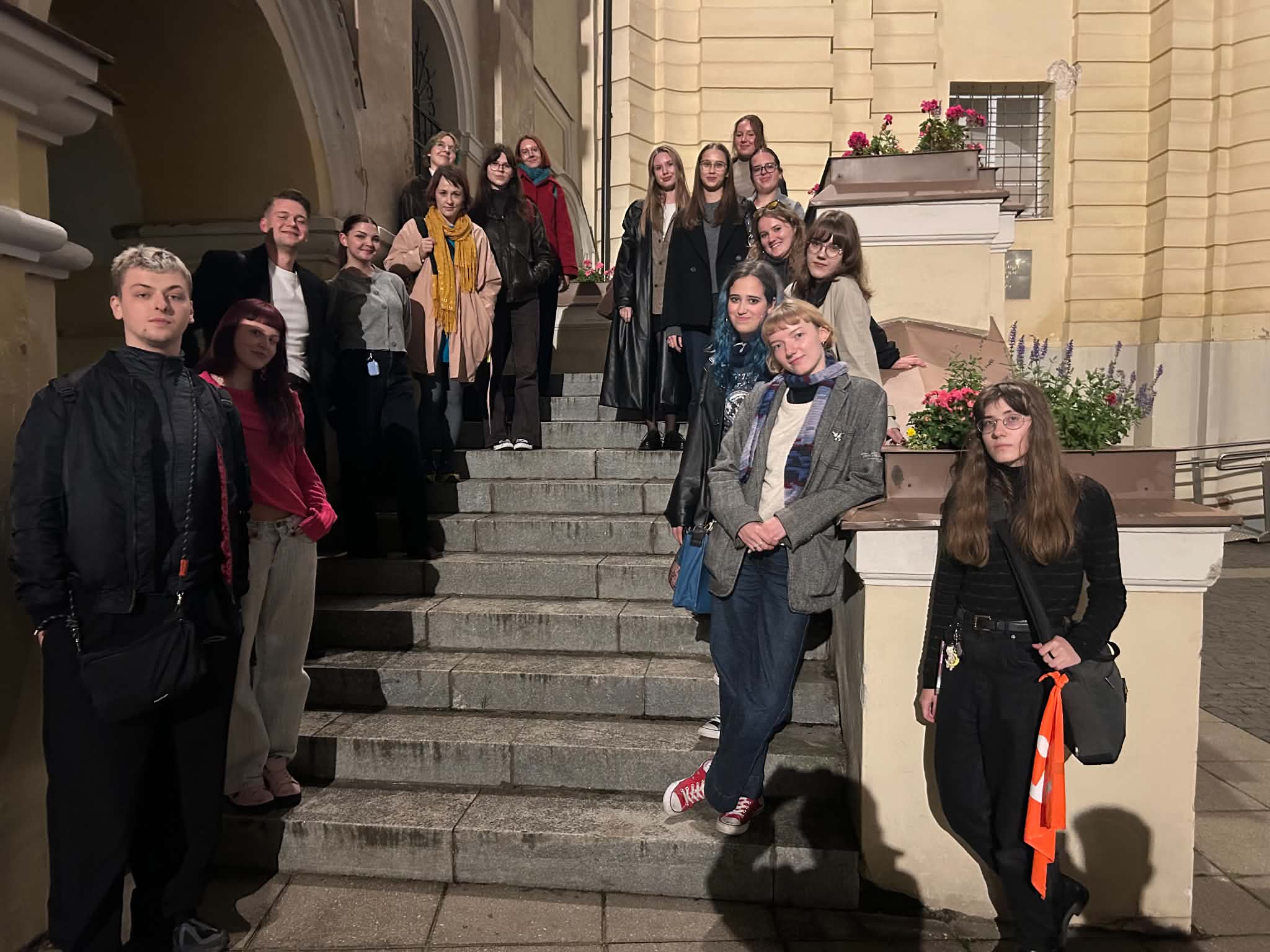
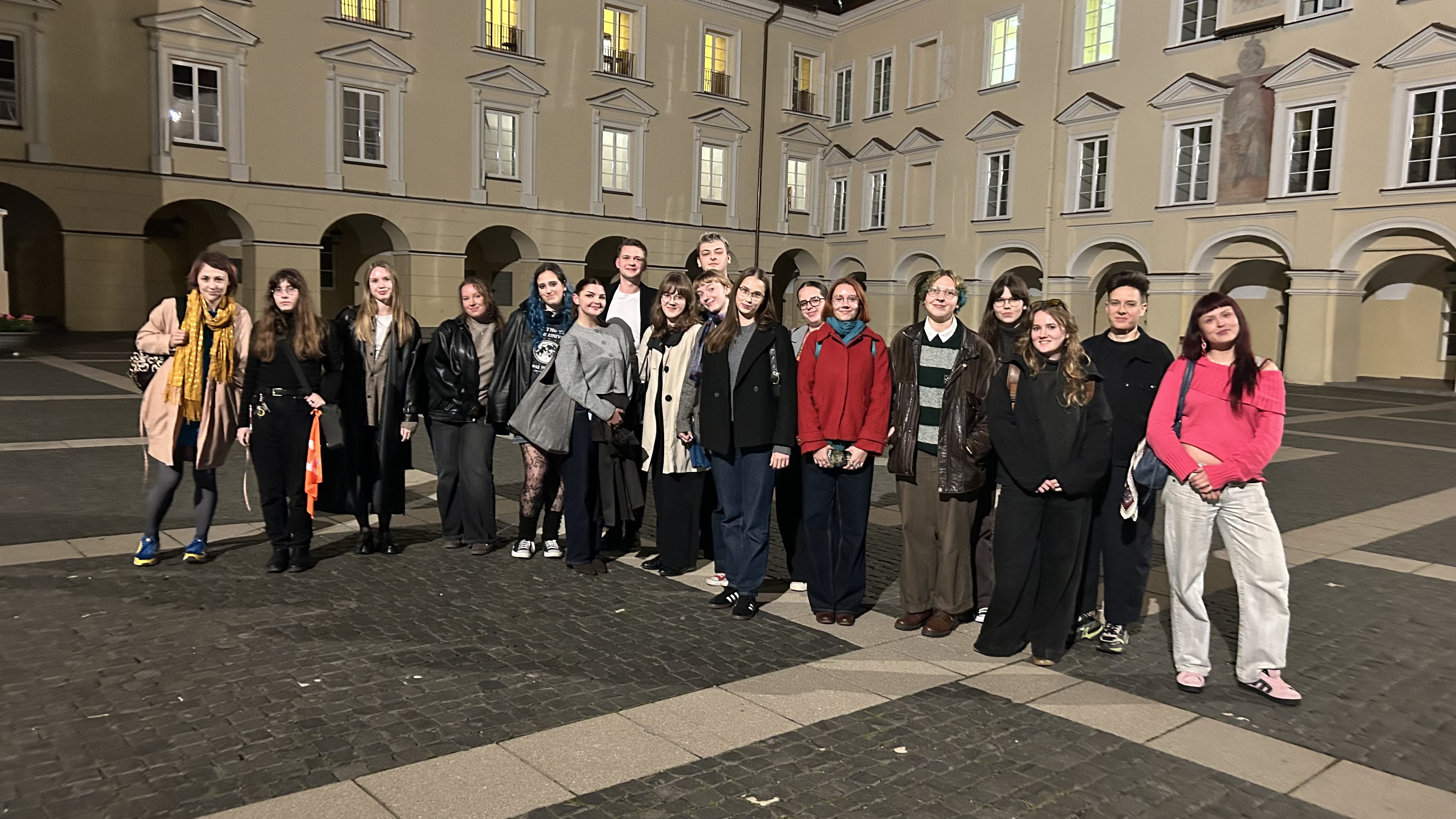
These were some of the questions we explored during our BA Mentorship Night, where students heard directly from guest speakers, alumni, and fellow students about academic life, career planning, teaching, student involvement, and the practical challenges of balancing studies with work.
The evening brought together three groups of guest speakers, each offering a different perspective on life during and after university.
💜🌿🦊Discourse magazine💜🌿🦊
The first group included the editors of Discourse magazine — Agnė Semėnaitė, Alexia DeBono, and Teklė Vilytė. They introduced students to the magazine’s agenda and highlighted opportunities to publish their creative work. One of the central ideas was the importance of giving students a space to express their own voices. The magazine also continues to need volunteers for social media and event planning, offering students opportunities to become involved beyond contributing written work.
💜🌿🦊Career paths and opportunities💜🌿🦊
The second guest speaker was Lina Uturytė, a representative and career counsellor from the Vilnius University Career Centre. She presented three key elements of building a successful professional path: knowing what you want, showing the value you can bring, and networking and building relationships. The first of these, knowing what you want, was presented as an ongoing process of discovering your path. Students can explore different possibilities, consider what graduates go on to do after finishing their studies, or make use of a career consultation to better understand their options. Lina also introduced the Johari Window, a model that helps people understand themselves and how they are perceived by others by considering what is known or unknown to oneself and to other people. The Career Centre also provides students with opportunities to develop their professional networks. Students were encouraged to get to know their classmates and professors and to participate in different events and projects. Among the opportunities offered by the Career Centre are the Career Fair, Career Expedition, and Career Mentoring💜🌿🦊
💜🌿🦊Edvardas Meduneckis, for example, explained that he had known from his second year of studies that he wanted to become a teacher. He had studied and graduated from the same school where he later began teaching. During the fall semester of his second year, the school’s deputy director contacted him to ask whether he would like to teach there.
Kamilė Kondratjeva shared her own varied work experience, including working as a waitress, bartender, school English teacher, and consultant in a plastic surgery clinic. She explained that one of the major factors motivating her to become a teacher is knowing that she can help someone else. For example, supporting a teenager who is going through a difficult period can make the work particularly meaningful. This sense of helping others is also an important part of what makes her want to continue working as a teacher and as a professor at Vilnius University.💜🌿🦊
💜🌿🦊First-year questions and practical advice💜🌿🦊
The evening also provided an opportunity to discuss some of the concerns of first-year students, particularly the first-semester examination session. Senior students shared practical advice based on their own experience: attend as many classes as possible, find the study methods that work best for you, and study methodically. Building good relationships with professors was also highlighted as something that can significantly help when preparing for exams. At the same time, students were reminded of the importance of securing quiet time for studying. Not passing an exam is not the end of the process either — there is a retake session, and after experiencing the first exam period, students know better what to expect.
Another practical topic was how to choose elective courses effectively. Students were encouraged to read course descriptions carefully, check timetables, and consider which assessment methods work best for them. For example, some students may prefer writing a paper rather than taking an exam, while others may prefer having more classes or fewer classes.
💜🌿🦊Overall, the BA Mentorship Night brought together a wide range of perspectives on student life and professional development. From contributing to a student magazine and exploring career possibilities to considering teaching as a future profession, the discussion showed the different ways students can become involved in the university community and begin exploring their paths while they are still studying.
💜🌿🦊Thank you to everyone who joined the BA Mentorship Night and contributed to the discussion — to our guest speakers and alumni for sharing their stories and experiences, and to all the students who came with their questions, comments, ideas, and curiosity. Your contributions made the evening an opportunity not only to listen, but also to learn from one another.
💜🌿🦊BA Mentorship Night was a reminder that university is not only about completing a degree, but also about discovering possibilities, building relationships, gaining experience, and finding a direction that feels meaningful.💜🌿🦊
Report prepared by Maria Dreer, Year 4, English Philology