🎭 𝐖𝐡𝐞𝐧 𝐖𝐨𝐫𝐝𝐬 𝐃𝐨 𝐓𝐡𝐢𝐧𝐠𝐬: 𝐏𝐫𝐚𝐠𝐦𝐚𝐭𝐢𝐜𝐬 𝐚𝐧𝐝 𝐓𝐡𝐞𝐚𝐭𝐫𝐞🎭
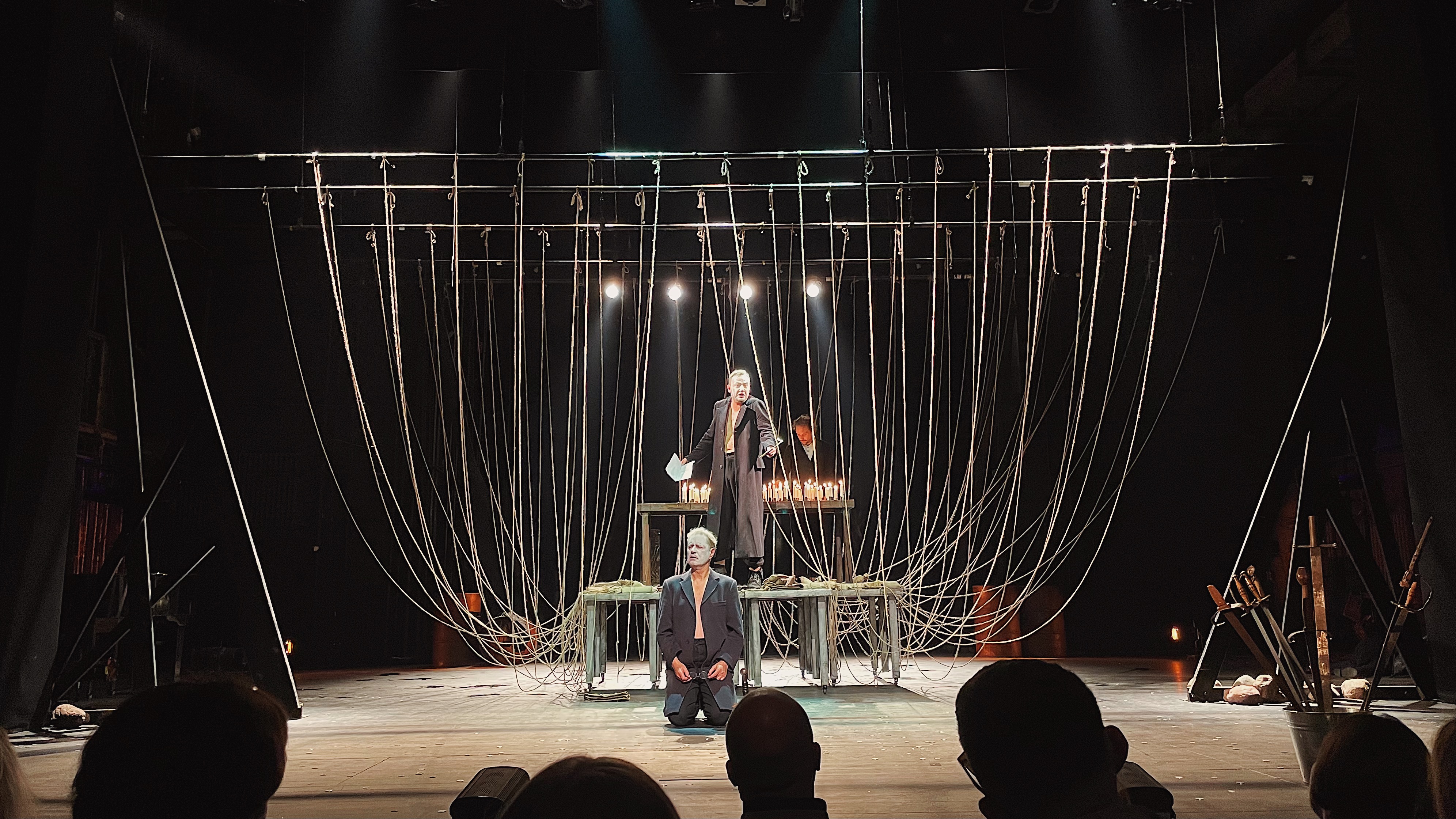
As part of the optional course 20th–21st Century British Drama through the ‘Pragmatic’ Looking Glass, taught by 𝐃𝐫. 𝐉𝐞𝐥𝐞𝐧𝐚 𝐊𝐢𝐫𝐞𝐣𝐞𝐯𝐚, students had the opportunity to see Tom Stoppard’s Rosencrantz and Guildenstern Are Dead at the Old Theatre of Vilnius.
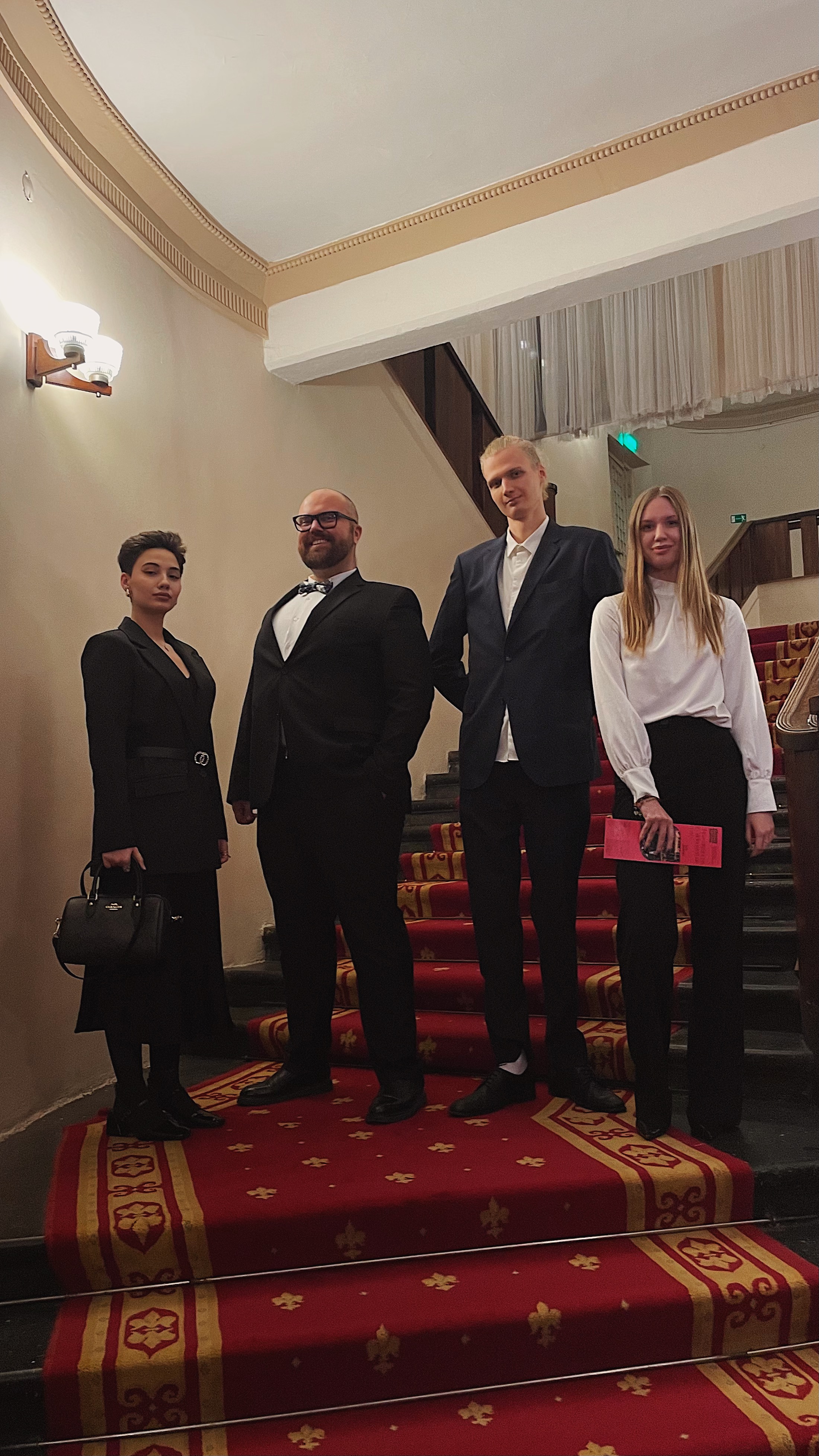
The performance brought together four students from the 𝐄𝐧𝐠𝐥𝐢𝐬𝐡 𝐏𝐡𝐢𝐥𝐨𝐥𝐨𝐠𝐲 and 𝐄𝐧𝐠𝐥𝐢𝐬𝐡 𝐒𝐭𝐮𝐝𝐢𝐞𝐬 programmes: 3rd-year English Philology students 𝐉𝐚𝐦𝐢𝐥𝐚 𝐌𝐚𝐧𝐚𝐟𝐥𝐢 and 𝐊𝐨𝐧𝐬𝐭𝐚𝐧𝐭𝐢𝐧 𝐓𝐨𝐤𝐚𝐫𝐞𝐯, 4th-year English Philology student 𝐌𝐚𝐫𝐢𝐚 𝐃𝐫𝐞𝐞𝐫, and MA English Studies student 𝐀𝐧𝐭𝐨𝐧 𝐕𝐚𝐠𝐞𝐫𝐨. 🎭
🎭Based on two minor characters from Shakespeare’s Hamlet, Stoppard’s play explores several key existentialist themes: the search for meaning, uncertainty about one’s identity, the tension between free will and fate, and the awareness of mortality. Rosencrantz and Guildenstern struggle to understand their purpose and how much control they really have over their lives — questions that can also resonate with students as they make choices about their studies, futures, and identities.
🎭For students studying the pragmatic dimensions of language in theatre, seeing the play performed offered an opportunity to consider how meaning is created in actual interaction. One of the key concepts explored in pragmatics is speech acts — the idea that when we speak, we do things with words: we ask, promise, persuade, challenge, refuse, apologise, or make decisions. On stage, these acts become especially visible as students can observe how words work together with context, tone, pauses, timing, gesture, and the relationship between characters to create meaning. In this sense, the theatre becomes a particularly rich space for exploring the question at the heart of pragmatics: what do we actually do when we speak? 🎭
A special thank you to 𝐃𝐫. 𝐉𝐞𝐥𝐞𝐧𝐚 𝐊𝐢𝐫𝐞𝐣𝐞𝐯𝐚 for creating this opportunity for students to connect their studies with a live theatrical experience in Vilnius. 🎭 🌹🌿Prepared by Maria Dreer, English Philology, Year 4.🌹🌿