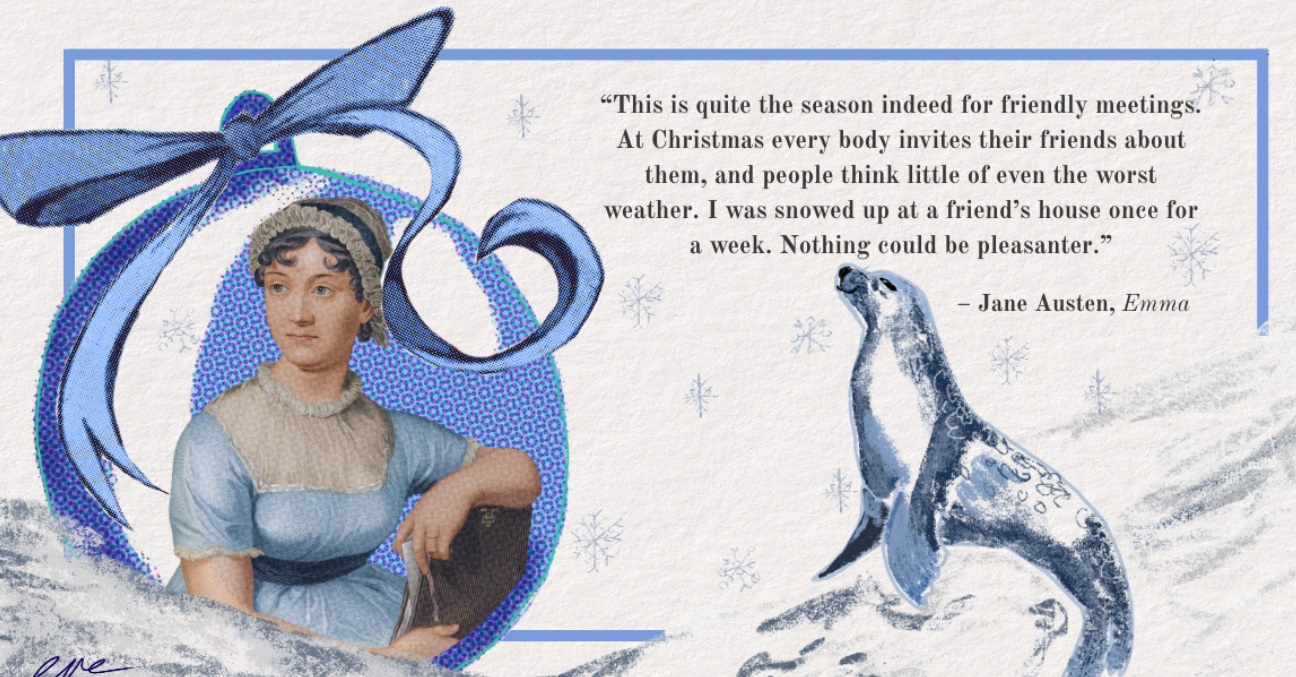
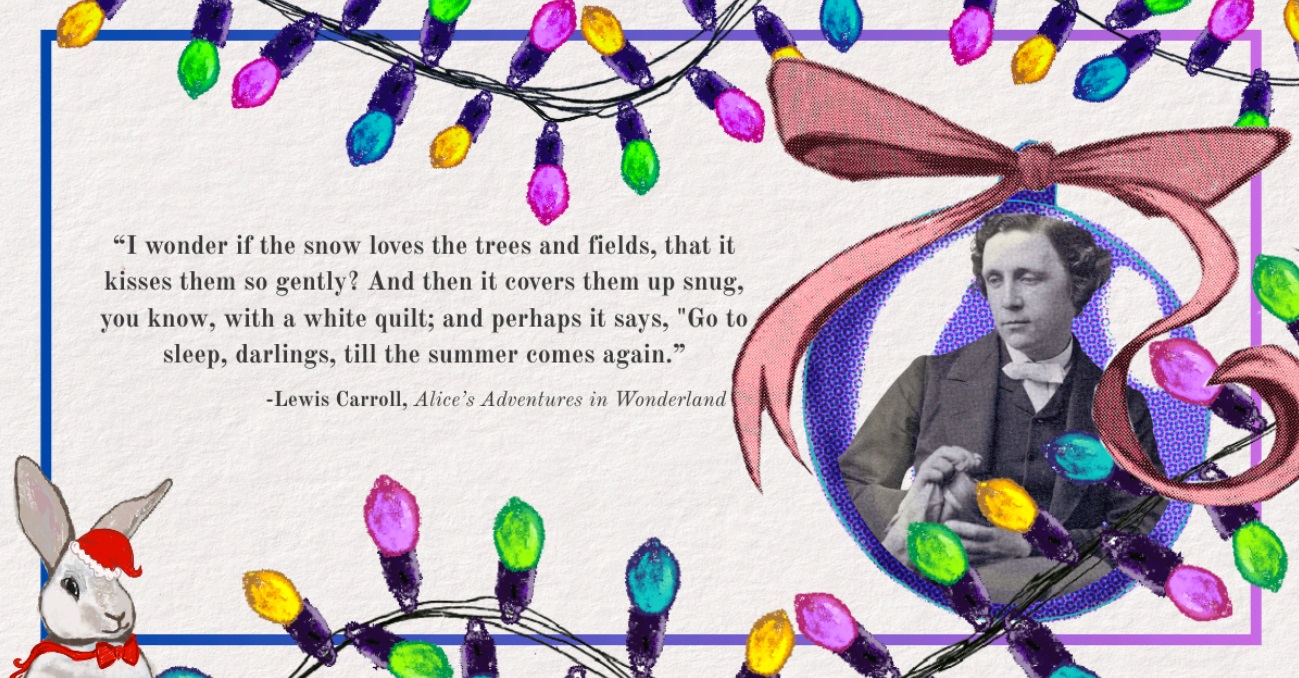
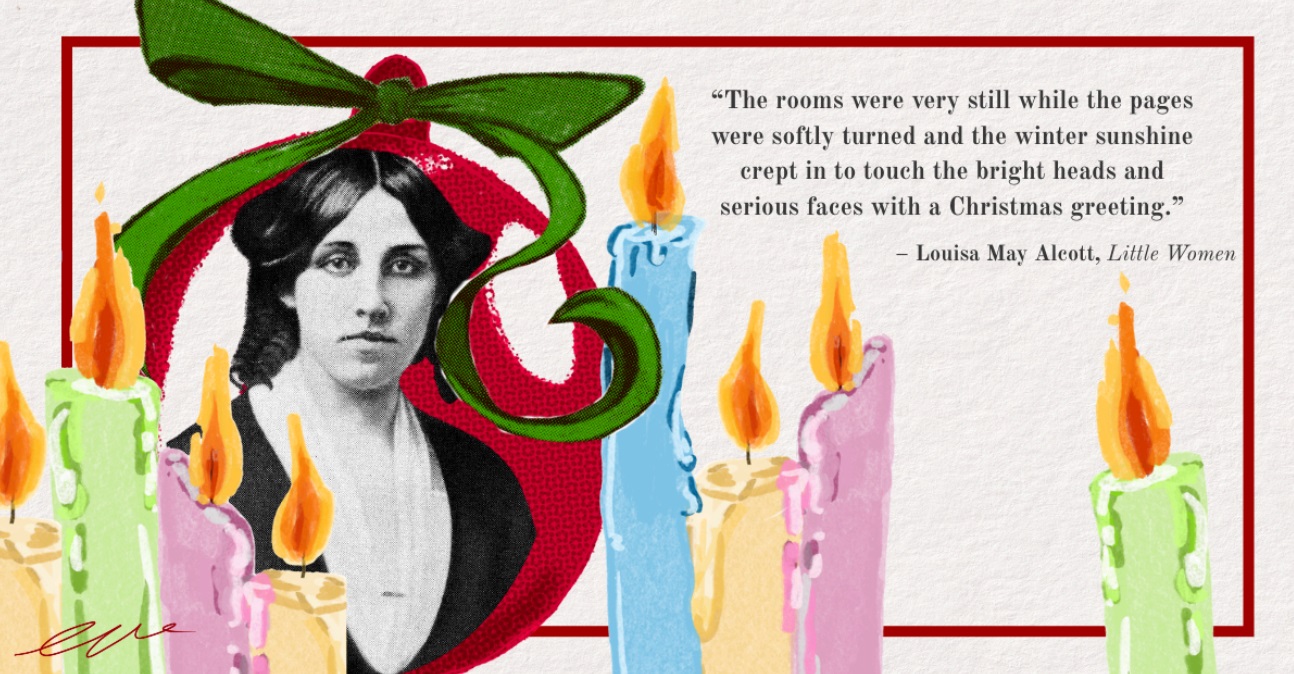
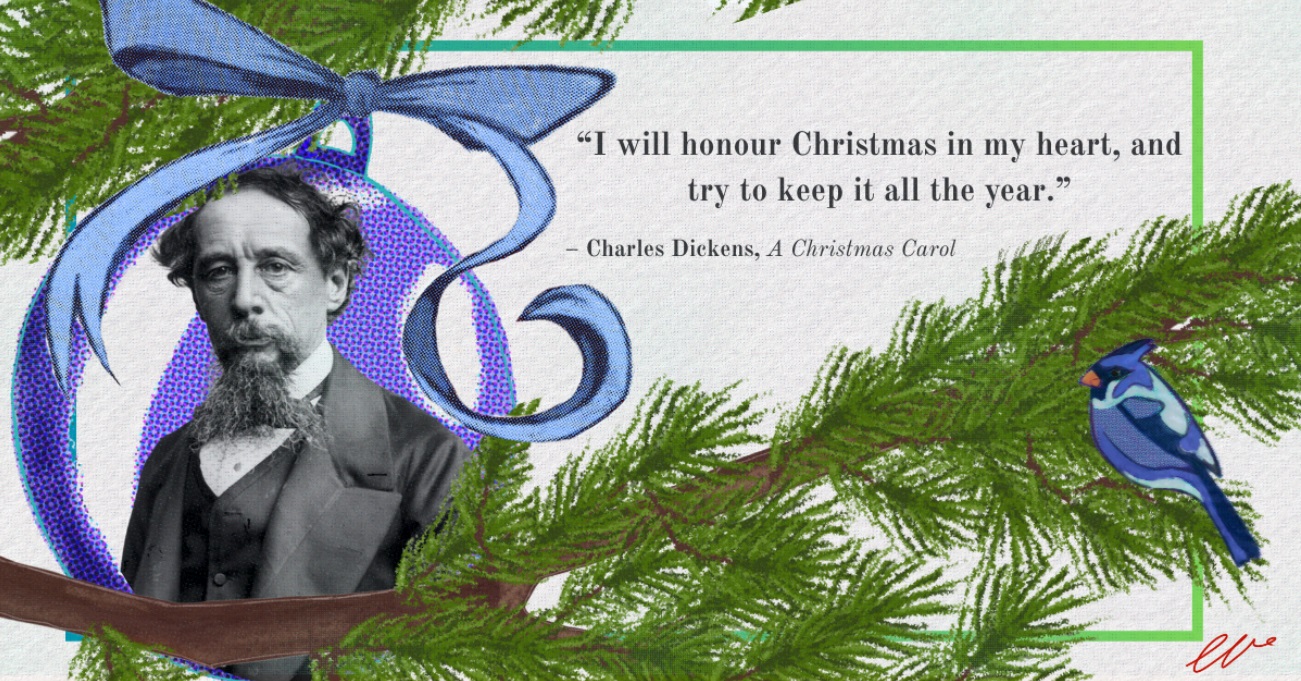
For Emilija Varnelytė, an English Philology student, literature does not stay on the page—it transforms into images, textures, and forms. In this interview, she reflects on embracing ambiguity in art, finding freedom beyond words, and turning literary worlds into visual experiences. From Gothic inspirations to hands-on plaster work, Emilija shares how stories, space, and water shape her creative vision.
Do you find that studying literature inspires your visual art in unexpected ways?
Studying literature helped me to stop reasoning about every decision when creating. You write what you write, you create what you create. Art does not have to have an apparent meaning. For me, the most interesting art and literature pieces are conceptual and the ones that do not reason the absurdity within creation. There is beauty within confusion, and I learned to appreciate it.
Have you ever painted or illustrated something inspired by a poem or novel?
I have illustrated a couple of graphic works inspired by Kazys Boruta. I also have a small habit of reading short stories and then creating sketches of the buildings or landscapes within the story. It is a great creative exercise that over time becomes its own storyline. My favorite so far to illustrate has been Edgar Allan Poe. The descriptions of architecture and nature in Gothic works always fascinate me.
Which comes more naturally to you: words or images?
Images. While I do like to write, I find that it is difficult for me to express myself through words. Sometimes language can become limiting. That is one of the reasons why my preferred writing form is scriptwriting, I can create a story only by conversations and stage directions, everything else is left for imagination, and then there is a chance that one day it might become visual art.
Do you work digitally, traditionally, or a mix of both?
I usually prefer traditional art, however, I cannot dismiss the convenience of digital art. At the moment, I am mostly working with plaster paintings, and I enjoy the feeling of working with real materials: mixing, plastering, and the overall messiness of the process. It connects me more to the piece that I am making and gives me control. Digital art comes in handy when you need to do a quick sketch, collage, or transfer many details. It is also very comfortable to make designs digitally since you can adjust them at any time, anywhere.
Do you gift your cards to family and friends? What reactions do you get?
I have to confess that creating cards for the program was my first time ever creating greeting cards, so I was quite nervous about how they would turn out, and I am very glad that people liked them! For family and friends, I usually make paintings or small sculptures as gifts.
What artists (classic or modern) do you admire most?
I enjoy David Umemoto's work, he is a great sculptor and an architect. Most of his works play with one's perception of space and perspective, creating quite uncanny brutalist pieces. Another modern artist that I really like is Marina Vargas and her sculptures of the feminine. I additionally particularly admire the Dada movement. From more classical artists, I would have to choose Francisco de Goya.
Are there any local (Lithuanian) artists or galleries you’d recommend?
I would suggest looking into small artists within your community! You can always visit exhibitions made by students or art enthusiasts and follow their works on social media. You can find quite many visual artists, such as painters, designers, or photographers, who are just starting out their journey, but already have very intriguing works. Additionally, I would suggest checking out Jurgis Mačiūnas, the father of the Fluxus movement, as I do enjoy his works and ideas.
Is there a place - a city, season, or memory - that always inspires you to create?
I grew up near the sea, so being far away from it evokes feelings of melancholy that fuel some of my creativity. Overall, for me, it has always been about water and its movement. Sometimes I become jealous of aquatic animals; they have an immense amount of freedom in all directions, even during a storm. As I cannot see the sea in Vilnius, lakes and rivers bring me joy too.